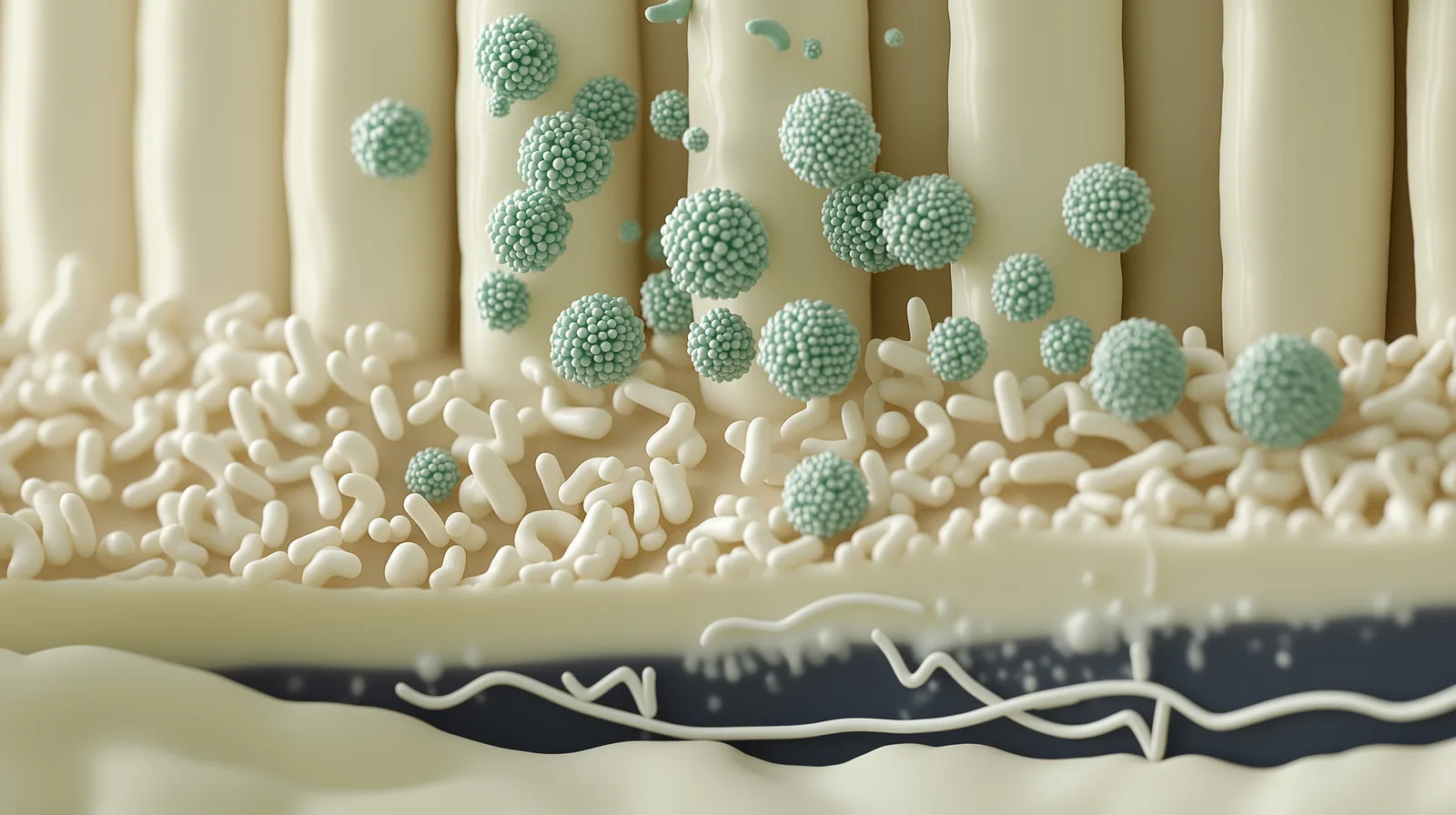
About Foundation The Science How It Works Principles What's Included FAQ Member Portal
The Science

The gut is one of the body's most renewable systems.

Foundation is built around the biology of gut cell renewal, barrier integrity, microbiome balance, nervous system regulation, and long-term resilience.

01 / The gut lining

A single layer between the outside world and the body.
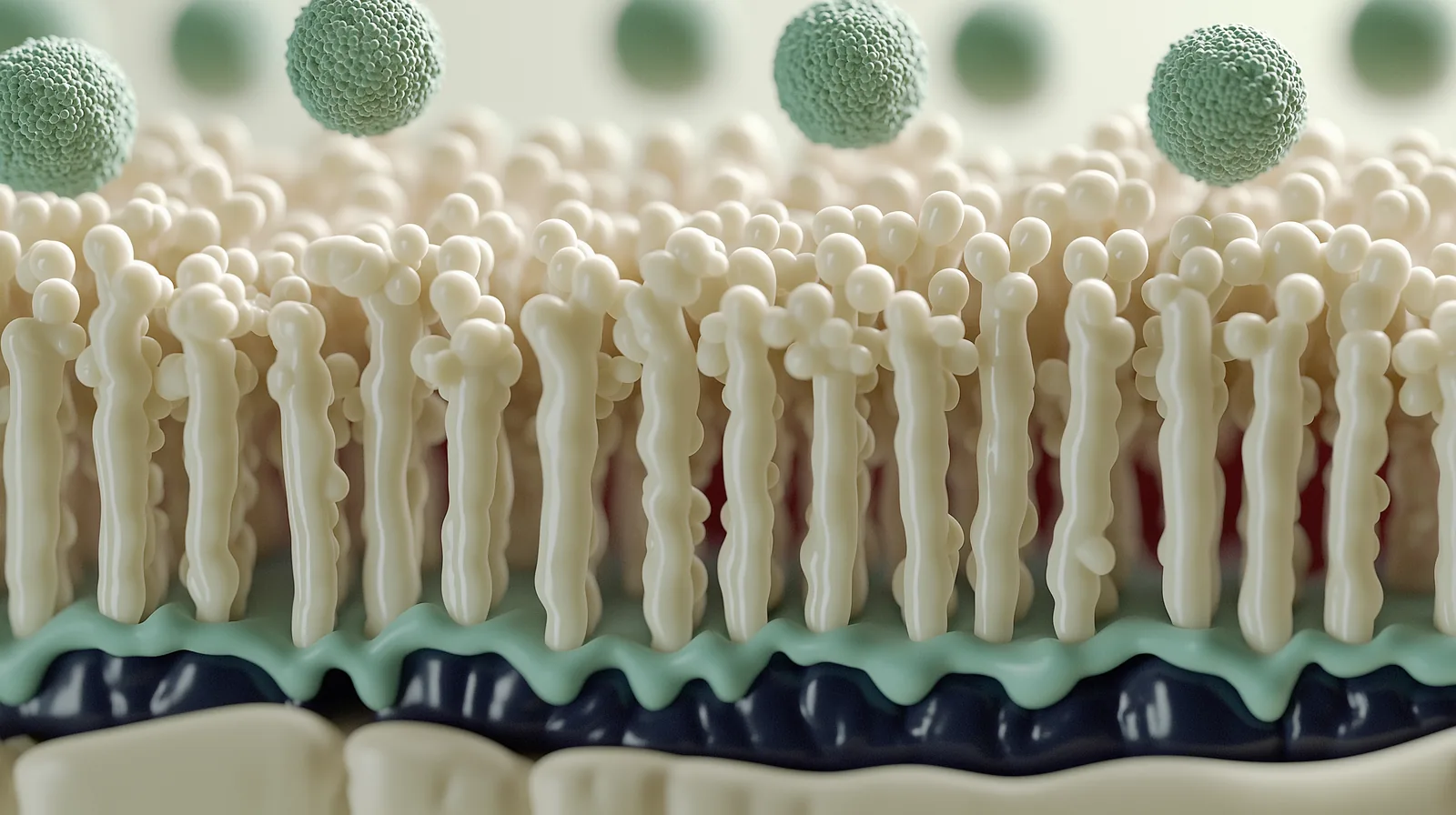
The intestinal lining is formed by a single layer of epithelial cells. This surface helps determine what is absorbed, what is kept out, and how the body communicates with food, microbes, immune signals, and the external environment.

When this barrier is compromised, the effects can extend beyond digestion.
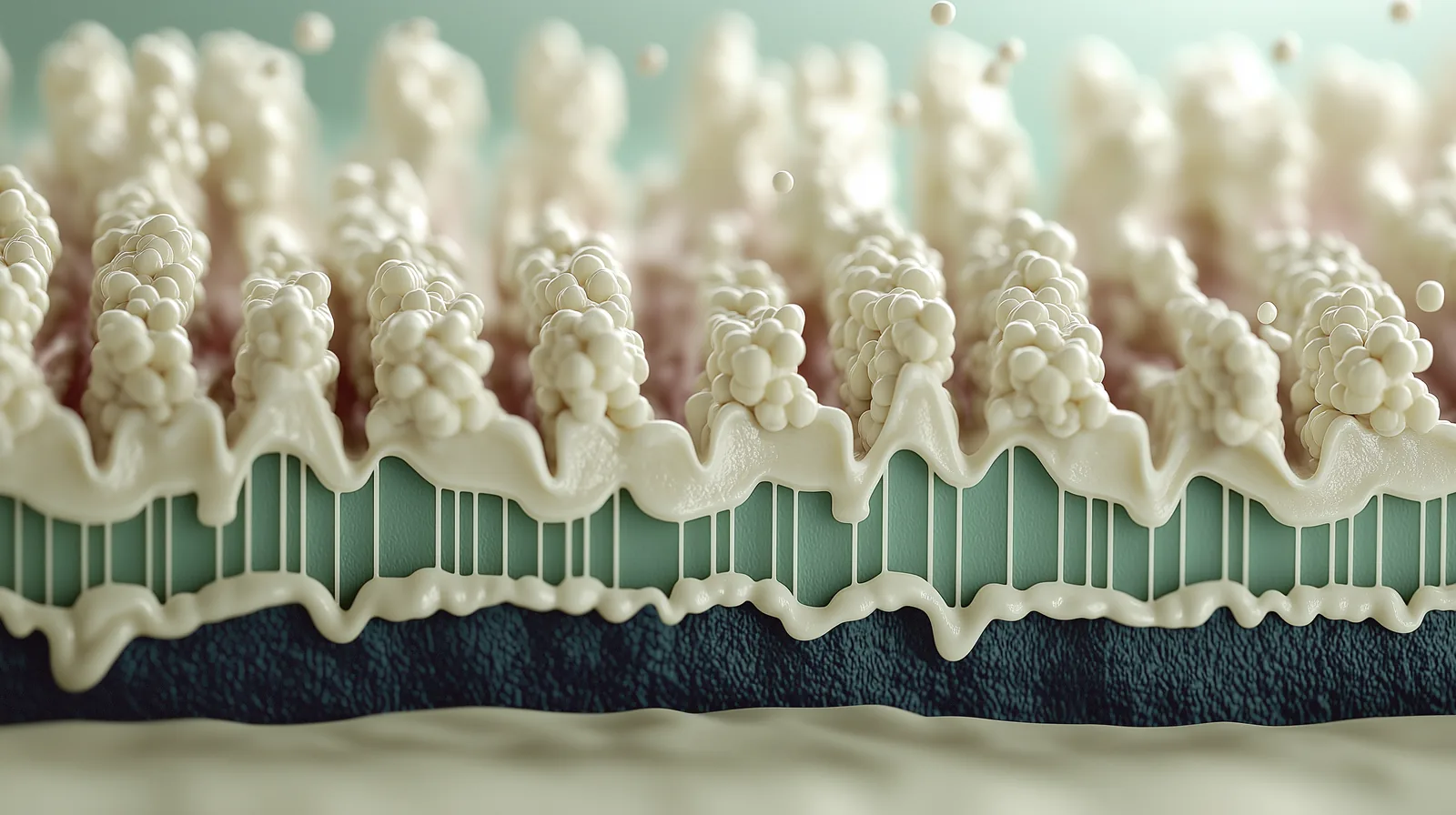
02 / Enterocytes & cell turnover

The gut lining renews rapidly.

3–5 days
Approximate gut cell renewal window

Enterocytes are the primary absorptive cells of the intestinal lining. They are continuously replaced from stem cells located in the intestinal crypts.

Research indicates the intestinal epithelium turns over roughly every 3–5 days. Foundation is built around this window of renewal — the conditions you create over a few weeks meaningfully shape the cells that form next.

03 / The gut barrier

Gut integrity depends on more than digestion.

The gut barrier is held together by tight junctions between cells. These structures help regulate what passes through the gut lining and into the body.

Dietary triggers, chronic stress, dysbiosis, poor sleep, inflammation, and environmental pressure can all influence the integrity of this barrier.

04 / The microbiome

The gut is also an ecosystem.

The gut microbiome supports nutrient metabolism, immune education, microbial balance, digestive function, and signalling between the gut and the rest of the body.

When beneficial bacteria ferment dietary fibre, they produce short-chain fatty acids, particularly butyrate — that fuel the colon lining, strengthen tight junctions, and exert anti-inflammatory effects throughout the body. Foundation approaches the microbiome carefully: first calming the environment, then rebuilding and diversifying over time.

05 / Systemic whole-body health

The gut doesn't just affect digestion. It affects everything.

When the gut barrier is compromised, bacterial fragments (LPS) enter the bloodstream and trigger what researchers call metabolic endotoxemia — a state of chronic, low-grade systemic inflammation. It rarely presents as a gut problem. It presents as fatigue, brain fog, skin reactivity, and disrupted metabolic function.

Repairing the barrier reverses this process — reducing the inflammatory load that reaches every major system.

Immune system

Reduced chronic immune activation.

Approximately 70–80% of the body's immune cells reside in the gut-associated lymphoid tissue (GALT). A healthy barrier limits the translocation of bacterial products that would otherwise trigger chronic immune activation. SCFAs promote the differentiation of regulatory T cells (Tregs) and suppress pro-inflammatory pathways via HDAC inhibition and G-protein-coupled receptor signalling. Restored barrier function reduces systemic inflammatory burden, lowers autoimmune flare risk, and enhances defence against infections.

Brain and mental health

Reduced neuroinflammation. Improved mood stability.

The gut and brain communicate bidirectionally via the vagus nerve, neurotransmitters, hormones, and immune signals. Much of the body's serotonin is produced in the gut. A compromised barrier allows inflammatory cytokines and LPS to reach the brain, contributing to neuroinflammation, brain fog, and mood disruption. A repaired gut lining limits these signals and supports mood stability, cognitive clarity, and reduced symptoms of anxiety and depression. SCFAs further influence BDNF and microglial activity, offering neuroprotective effects.

Skin

Less reactivity. Calmer inflammatory skin conditions.

Systemic inflammation from gut permeability often manifests on the skin. Dysbiosis and intestinal permeability are independently associated with acne, atopic dermatitis (eczema), and psoriasis through immune dysregulation and altered microbial metabolites. By strengthening the intestinal barrier and boosting SCFA production, gut repair reduces cutaneous inflammation, supports skin barrier function, and improves conditions linked to the gut-skin axis.

Metabolic health

Improved insulin sensitivity. Better energy regulation.

Metabolic endotoxemia directly contributes to insulin resistance, adipose tissue inflammation, and disrupted energy homeostasis. LPS activates inflammatory pathways that impair insulin signalling and promote fat storage. A restored gut barrier lowers circulating LPS, improves insulin sensitivity, and optimises appetite regulation via SCFA effects on hormones like GLP-1 and PYY — helping mitigate obesity, type 2 diabetes, and fatty liver disease risk.

Cardiovascular and liver

Reduced inflammatory load. Better lipid metabolism.

The portal vein delivers gut-derived signals directly to the liver. Reduced endotoxemia eases the inflammatory load on hepatocytes, supporting better lipid metabolism and reducing fat accumulation. Systemically, lower chronic inflammation protects vascular endothelium and slows atherosclerosis progression. SCFAs exert direct cardioprotective effects through blood-pressure regulation and anti-inflammatory actions.

Emerging areas

Joint health, hormonal balance, and beyond.

Lower systemic inflammation also benefits joint health (reduced arthritic symptoms), hormonal balance via improved nutrient status and reduced cortisol signalling, and potentially respiratory and kidney function. These links, while still associative in many cases, highlight the broad downstream impact of gut repair. The gut is the highest-leverage target for reducing chronic inflammation across the whole body.

"Repairing the gut barrier restores the body's ability to absorb what it needs — and exclude what it doesn't."
06 / The gut-brain axis

The gut and brain are in constant conversation.

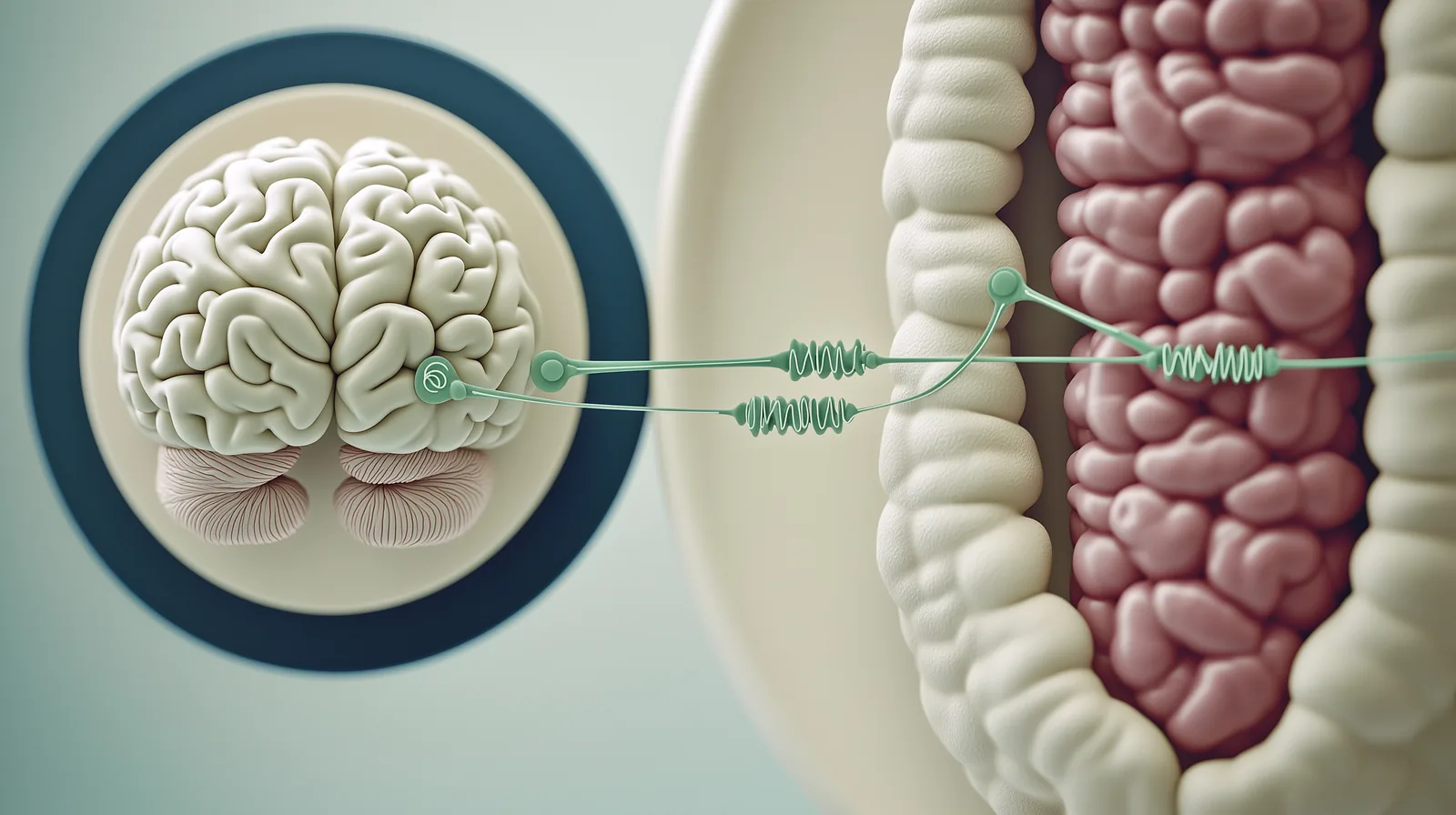
The gut communicates with the brain through the vagus nerve, bloodstream, enteric nervous system, microbiome, immune signals, and neurotransmitter pathways.

This is why Foundation includes breathwork, sleep protection, morning light, meal environment practices, and nervous system regulation as part of the gut repair process.

07 / The role of ketosis

When carbohydrates are removed, the body switches to a different fuel entirely.

In Phase 1 of Foundation, carbohydrates are removed almost entirely. Within 24–48 hours, the body depletes its glycogen stores and the liver begins producing ketone bodies — primarily beta-hydroxybutyrate (BHB) — from stored fat.

This is not starvation. It is a metabolic shift to an evolutionary backup fuel system. What makes it particularly relevant to gut repair is not just the fuel switch — it is the signalling effects that accompany it.

Anti-inflammatory

BHB directly inhibits the NLRP3 inflammasome.

The NLRP3 inflammasome is a key driver of the chronic, low-grade inflammation associated with gut permeability and metabolic disease. BHB inhibits it directly — reducing IL-1β, IL-18, and TNF-α. This is one reason many members report a reduction in systemic symptoms during Phase 1, even before significant gut lining repair has occurred.

Epigenetic signalling

BHB inhibits histone deacetylases (HDACs).

HDAC inhibition alters gene expression in ways that support antioxidant defences, reduce cellular stress, and activate longevity-associated pathways. Ketosis changes which genes are being expressed — not just how much energy is available.

Mitochondrial function

Ketone oxidation is more efficient than glucose.

Ketones yield more ATP per oxygen molecule than glucose, reduce mitochondrial reactive oxygen species (free radicals), and stabilise the cellular redox state. This is why many people report improved energy clarity during ketosis — not despite the absence of carbohydrates, but because of the metabolic efficiency ketosis enables.

Gut environment

Reduced fermentation. A simpler environment for new cells to form.

Removing fermentable carbohydrates starves dysbiotic bacteria of their primary food source. Bloating, gas, and fermentation-driven discomfort often ease within days. The enterocytes forming during Phase 1 do so in the least reactive gut environment in years.

Neuroprotection

The brain adapts readily — and often thrives.

The brain cannot oxidise fatty acids directly but adapts rapidly to ketones as its primary fuel. The brain can meet 60–70% of its energy needs from ketones. Clinical research shows ketosis supports cognitive clarity, mood stability, and reduced neuroinflammation. The mental clarity many Foundation members report from Day 5 onwards is a well-documented neurological effect of nutritional ketosis.

How Foundation uses ketosis

Phase 1 is not a restriction strategy.
It is a precision metabolic intervention.

Foundation uses Phase 1 to deliberately induce nutritional ketosis within 48–72 hours. This serves three concurrent purposes: it reduces the fermentation load on a compromised gut; it activates BHB's anti-inflammatory and epigenetic signalling; and it gives the gut's newly forming enterocytes the most controlled, least reactive environment possible.

Phase 1 is seven days. But the metabolic and signalling effects of those seven days create the conditions that make the remaining 23 substantially more effective.

KETOSIS TYPICALLY ESTABLISHES WITHIN 48–72 HOURS OF BEGINNING PHASE 1
08 / Why repair comes before expansion

More variety is the destination. Repair is the entry point.

Long-term gut health is associated with diversity — more plant variety, more microbial resilience, more digestive tolerance.

But a compromised gut may not tolerate diversity well at the beginning. Foundation begins with repair first, then guides expansion. The long-term goal is not restriction. It is resilience.

"Long-term gut health is associated with diversity. Foundation begins with repair, then guides expansion."
Begin

Apply the science to your gut.

Foundation gives you the structure, science, protocols, and tools to begin rebuilding gut health from the foundation.

Start Foundation